2023 Audi A7 repair manual

Choose your manual
2023 Audi A7 - OEM Factory Repair Manual
About the Audi A7
We cover two A7 Sportback generations: the 4G (2010 to 2018) with supercharged 3.0-liter V6 power, and the 4K (from 2018) with a 3.0-liter turbo V6 and 48-volt mild hybrid. The S7 and RS7 use twin-turbo V8 engines.
- Review repair procedures before starting a job (from routine maintenance to major repairs)
- Understand component layouts with technical illustrations (procedures are explained step by step)
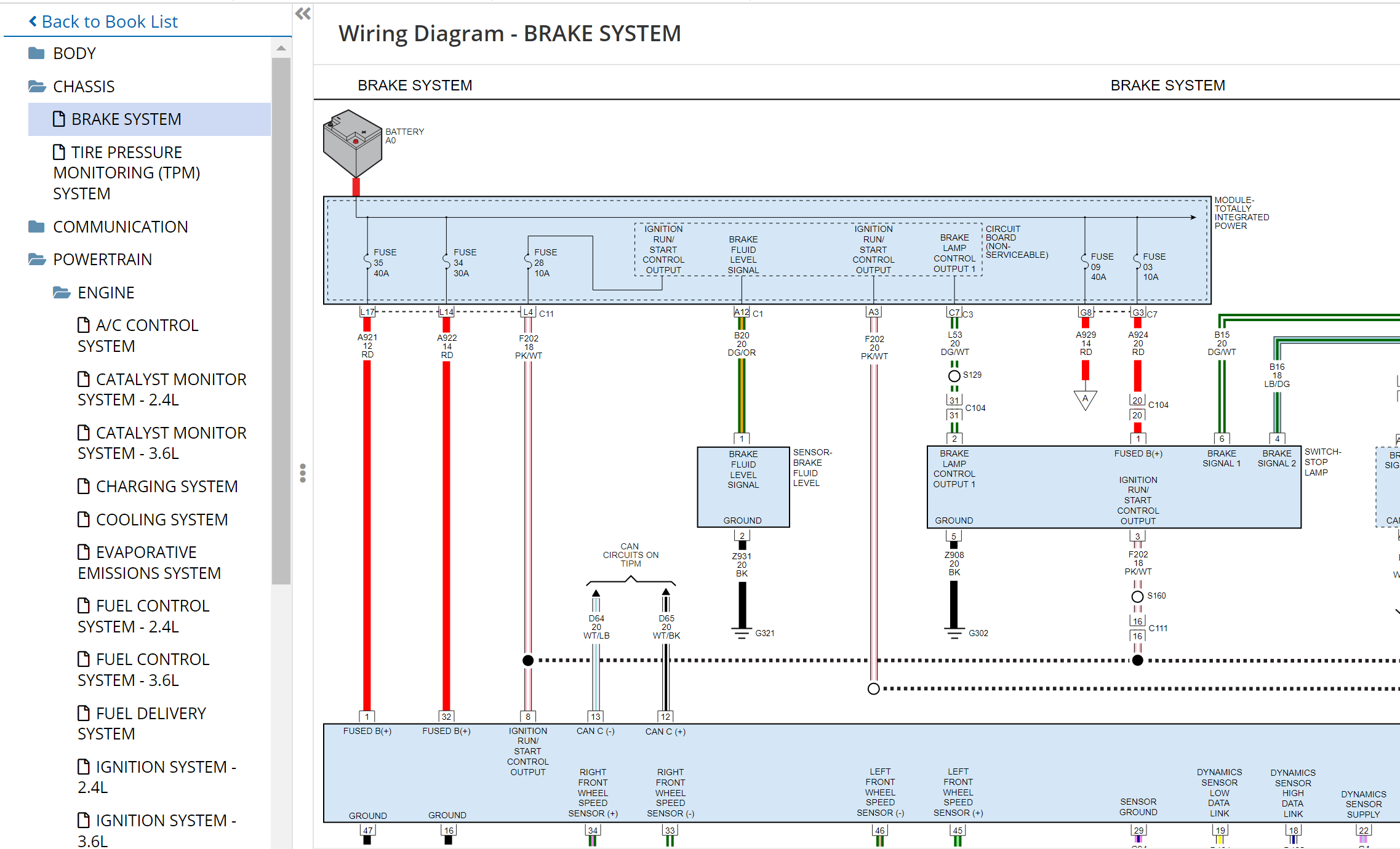
- Follow electrical connections using wiring diagrams
- Plan your work and discuss recommended repairs with your mechanic (or double-check a quote)
- Place your order and pay. We create your account automatically.
- Enter your 17-character VIN—right after payment or later, from your account.
- We prepare your manual within 12–48 hours after we receive your VIN.
- Download the PDF from your account.

About the 2023 Audi A7
The 2023 Audi A7 belongs to the second-generation A7 (4K), built for model years 2019–2026. Most procedures are shared with the other years of this generation, but engines, options and wiring changed from year to year, so the manual is made for the 2023 model year.
Check the model year on your VIN: on a 2023 vehicle the 10th character of the 17-digit VIN is “P”. Vehicles built for North America always carry the model year in that position; on some European or Australian vehicles it may be left unused, so in that case go by the registration papers or the build plate.
At 3 years old, a 2023 vehicle mostly needs scheduled maintenance, software and battery checks, and correct procedures for the newer electronic systems (ADAS sensors, calibrations and module programming).
Same generation: 2019 Audi A7, 2020 Audi A7, 2021 Audi A7, 2022 Audi A7, 2024 Audi A7, 2025 Audi A7, 2026 Audi A7.
All Audi A7 model years: 2010 · 2011 · 2012 · 2013 · 2014 · 2015 · 2016 · 2017 · 2018 · 2019 · 2020 · 2021 · 2022 · 2023 · 2024 · 2025 · 2026
Engines
4-cylinder TDI engine, 2.0 ltr. 4-valve common rail (EA 288 EVO) DEZD DEZF DFBA
4-cylinder direct injection engine (2.0 ltr. 4-valve TFSI, EA 888 Gen. III) DKNA DLHA DLHB
6-cylinder TDI engine, 3.0 ltr. 4-valve common rail (EA 897 - Gen. II) DDVB DDVE DDVF
6-cylinder direct injection engine (3.0 ltr. 4-valve TFSI EA839) DKMB DLZA