2017 Kia Sportage repair manual

Choose your manual
2017 Kia Sportage - OEM Factory Repair Manual
About the Kia Sportage
We list four generations of the Sportage. The KM (2005 to 2010) offered a 2.0-liter four and a 2.7-liter V6. The SL (2011 to 2016) and QL (2017 to 2022) used 2.4-liter and 2.0-liter turbo engines. The NQ5 (from 2023) uses a 2.5-liter engine, plus 1.6-liter turbo hybrid and plug-in hybrid versions.
- EX, AWD
- EX, FWD
- LX, AWD
- LX, FWD
- SX Turbo, AWD
- SX Turbo, FWD
- Review repair procedures before starting a job (from routine maintenance to major repairs)
- Understand component layouts with technical illustrations (procedures are explained step by step)
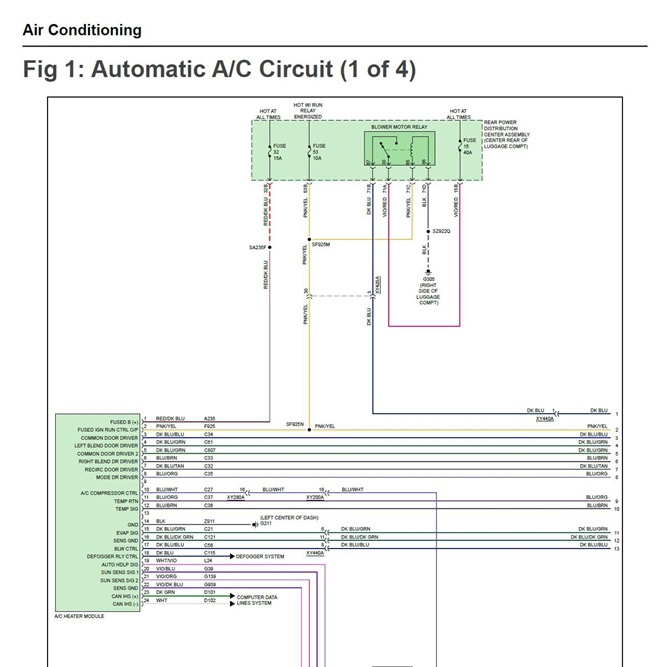
- Follow electrical connections using wiring diagrams.
- Plan your work and discuss recommended repairs with your mechanic (or double-check a quote)

About the 2017 Kia Sportage
The 2017 Kia Sportage belongs to the fourth-generation Sportage, built for model years 2017–2022. It is the first model year of this generation: the platform, wiring and many procedures changed compared with the previous model, so a manual for an earlier year will not match it.
Check the model year on your VIN: on a 2017 vehicle the 10th character of the 17-digit VIN is “H”. Vehicles built for North America always carry the model year in that position; on some European or Australian vehicles it may be left unused, so in that case go by the registration papers or the build plate.
At about 9 years old, a 2017 vehicle often needs work on the cooling system, timing components, suspension bushings, motor mounts and corroded electrical connectors, all jobs where the exact factory procedure and torque values save time.
Same generation: 2018 Kia Sportage, 2019 Kia Sportage, 2020 Kia Sportage, 2021 Kia Sportage, 2022 Kia Sportage.
All Kia Sportage model years: 2005 · 2006 · 2007 · 2008 · 2009 · 2010 · 2011 · 2012 · 2013 · 2014 · 2015 · 2016 · 2017 · 2018 · 2019 · 2020 · 2021 · 2022 · 2023 · 2024 · 2025 · 2026
- EX, AWD
- EX, FWD
- LX, AWD
- LX, FWD
- SX Turbo, AWD
- SX Turbo, FWD
2.4L I4
2.0L I4 Turbo